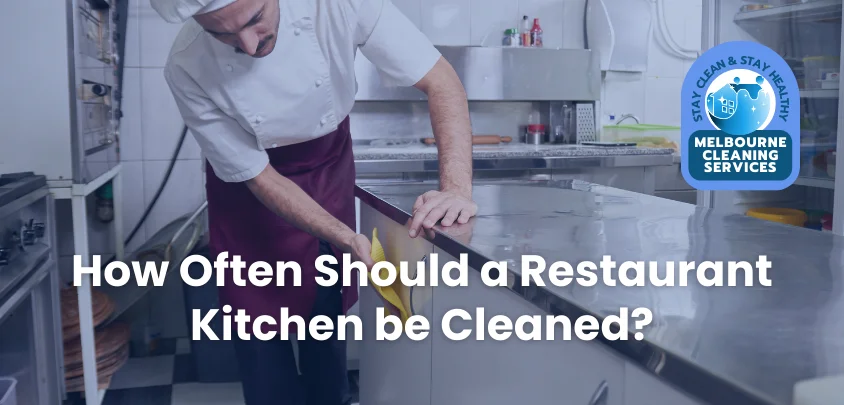
As a cleaning service company in Melbourne, we love cleaning restaurants as there are so many things to clean like a dungeons game! However, of course we know this is not fun for most people, especially for restaurant staff who are supposed to look after food and customers, not the dirt. Still, it’s so important to keep it clean for your business. Let’s explore how often you should clean your restaurant kitchen to maintain appropriate hygiene.
The Importance of Cleaning a Restaurant Kitchen
The cleanliness of a restaurant kitchen is paramount for several reasons. First and foremost, it directly impacts food safety and hygiene, preventing the risk of foodborne illnesses caused by cross-contamination and bacterial growth. A clean kitchen also meets regulatory health standards, avoiding hefty fines and potential closure from health inspections. Additionally, a well-maintained kitchen enhances the overall efficiency and performance of kitchen staff, providing a pleasant working environment. It also boosts customer confidence and satisfaction, as patrons are more likely to return to and recommend a restaurant known for its high cleanliness standards. Ultimately, regular and thorough cleaning is essential for the restaurant’s reputation, operational efficiency, and safety.
How Often Should a Restaurant Kitchen Be Cleaned?
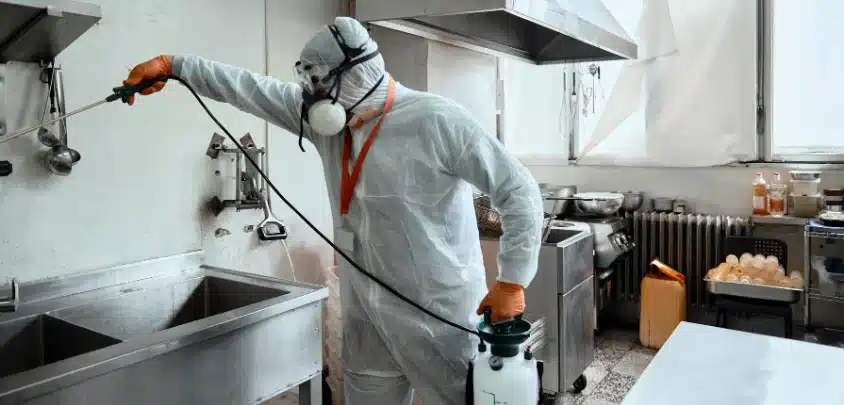
To maintain a hygienic kitchen, clean all areas after each food service, and perform a thorough cleaning at the end of the day. This includes floors, surfaces, utensils, cooking appliances, and cleaning cloths.
Additionally, establish a weekly routine for deeper cleaning, and plan for a comprehensive deep clean every six months. Depending on kitchen usage, you may adjust deep cleaning to monthly or every three months.
Now, let’s explore essential cleaning tasks to help keep your restaurant kitchen spotless and compliant with health standards.
Daily Cleaning Tasks
Daily cleaning tasks are the foundation of maintaining a hygienic kitchen environment. These tasks ensure that food preparation areas are always clean and safe for use. By addressing spills and residues promptly, you prevent cross-contamination and maintain a pleasant working environment for your staff. Key areas include countertops, cooking equipment, floors, and sinks.
1. Countertops and Food Preparation Areas:
Prevents cross-contamination and foodborne illnesses. Ensures a hygienic workspace for food preparation.
2. Cooking Equipment:
Residue and food particles can build up on stoves, grills, and ovens, leading to potential fire hazards and affecting the taste of the food.
3. Floors:
Spills and debris can cause slips and falls, and contribute to pest infestations. Mopping and sweeping ensure a safe and clean environment.
4. Sinks:
Regular cleaning prevents the buildup of grime and bacteria, ensuring a sanitary place to wash hands and utensils.
Weekly Cleaning Tasks
Weekly cleaning tasks take a deeper dive into areas that don’t require daily attention but still need regular maintenance. These tasks help prevent buildup and ensure the efficient operation of equipment. Regular cleaning of refrigerators, ovens, trash cans, and dishwashers ensures that these critical components remain clean and functional.
1. Refrigerator and Freezer:
Cleaning helps in removing spoiled food and spills, preventing odours and contamination.
2. Ovens and Ranges:
A thorough weekly cleaning prevents the buildup of grease and food particles, which can affect cooking efficiency and safety.
3. Trash Cans:
Cleaning and sanitising trash cans prevent odours and pests.
4. Dishwashers:
Regular cleaning ensures the dishwasher runs efficiently and hygienically, preventing food residue buildup and bacteria growth.
Monthly Cleaning Tasks
Monthly tasks are focused on areas that can accumulate dirt and grime over longer periods. These include vents and hoods, walls, ceilings, and storage areas. By addressing these areas monthly, you can prevent significant buildups that could become health hazards or cause operational issues.
1. Vents and Hoods:
Regular cleaning prevents grease buildup, reducing the risk of fire hazards and ensuring proper ventilation.
2. Walls and Ceilings:
Cleaning removes accumulated grease, dust, and food particles, maintaining a clean and sanitary environment.
3. Storage Areas:
Regular cleaning helps in organising and ensuring no expired or spoiled food is stored, preventing contamination.
Quarterly Cleaning Tasks
Quarterly tasks are for those parts of the kitchen that can be overlooked but are crucial for long-term maintenance. These tasks ensure that deeper aspects of kitchen cleanliness, such as deep cleaning of cooking equipment, floor drains, and exhaust systems, are addressed regularly to prevent any severe buildup or malfunctions.
1. Deep Cleaning of Cooking Equipment:
A thorough deep cleaning of all cooking equipment ensures they operate efficiently and safely.
2. Floor Drains:
Regular maintenance prevents clogs and ensures proper drainage, reducing the risk of water damage and pests.
3. Exhaust Systems:
Cleaning exhaust systems improves air quality and prevents grease buildup, reducing fire risks.
Annual Cleaning Tasks
Annual cleaning tasks typically involve a professional deep clean and a pest control inspection. These comprehensive tasks ensure that every corner of the kitchen is spotless and that any potential pest issues are managed proactively, maintaining the highest standards of cleanliness and safety.
1. Professional Deep Cleaning:
Hiring professional cleaning services for an annual deep clean ensures that all areas, including hard-to-reach spots, are thoroughly cleaned and sanitised.
2. Pest Control Inspection:
Regular pest control inspections and treatments prevent infestations, ensuring a hygienic and safe kitchen environment.
Ensure a Safe and Pleasant Environment
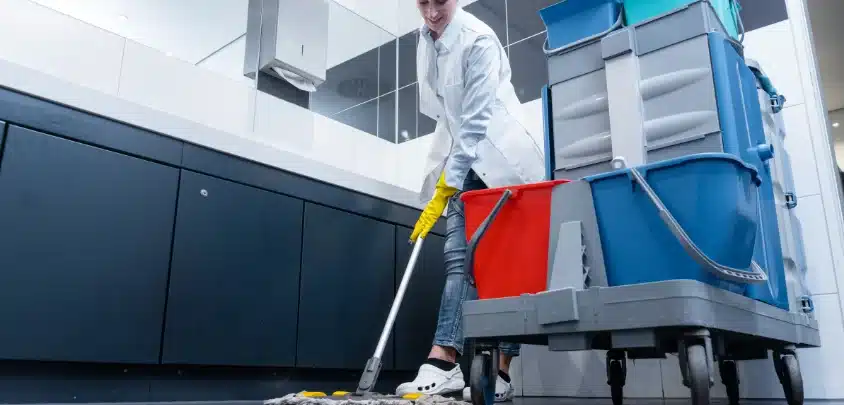
Regular and systematic cleaning of a restaurant kitchen is essential for maintaining high standards of food safety, hygiene, and efficiency. By adhering to the recommended cleaning schedules, restaurant owners can ensure a safe and pleasant environment for both staff and customers. Melbourne Cleaning Services can assist restaurants in maintaining these standards, providing professional restaurant cleaning services tailored to the specific needs of each establishment. Remember, a clean kitchen is the foundation of a successful restaurant.
More Resources: