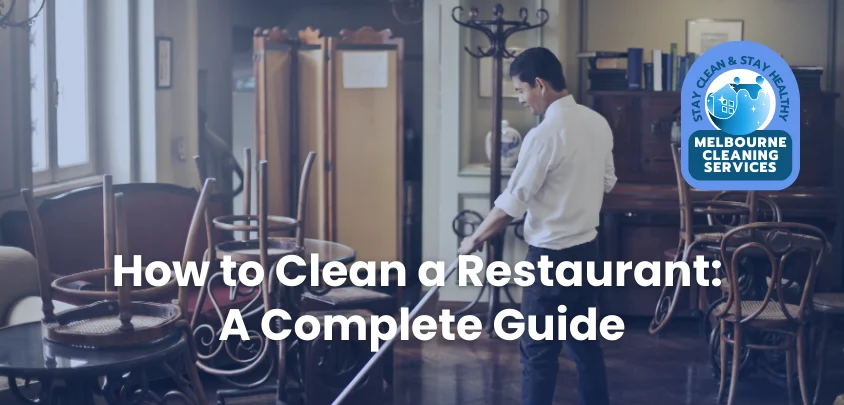
It directly impacts food safety, customer satisfaction, and the reputation of your business. From regular upkeep to deep-cleaning tasks, this guide will help you cover all essential areas for maintaining a hygienic, welcoming environment for patrons and staff alike. With structured routines and targeted approaches to cleaning equipment and surfaces, you can ensure your restaurant is at its best every day.
Why a Clean Restaurant Matters?
Cleanliness in a restaurant is essential for several reasons. First, a clean environment is vital for food safety. Restaurants are inspected regularly by health authorities, and failing to meet cleanliness standards can lead to hefty fines, negative health ratings, or even closures. A hygienic restaurant also contributes to a positive customer experience, creating an inviting atmosphere that encourages return visits. Clean spaces reduce the risk of spreading foodborne illnesses, which protects both customers and staff. Finally, maintaining a tidy, organised space can boost employee morale, as working in a clean environment promotes productivity, lowers stress, and makes for a more efficient kitchen.
How to Clean Your Restaurant?
Now that you understand the importance of clean restaurant, let’s dive into effective cleaning techniques. From sanitizing kitchen equipment to keeping sinks spotless, explore expert tips for maintaining a hygienic and welcoming dining environment.
Cleaning Restaurant Equipment
Each piece of equipment in a restaurant has unique cleaning requirements to ensure functionality and hygiene. Regular maintenance and deep cleaning are necessary to keep each item in good working order. Here is how you can clean restaurant equipment:
1. Dishwasher
The dishwasher is one of the most frequently used items in a restaurant and can accumulate food particles, grease, and soap scum. Here’s how to keep it in top shape:
- Remove racks and inspect for any leftover food particles.
- Wipe down the interior walls and door with a damp cloth to remove residue.
- Clean the filter by removing it and rinsing away food debris under warm water.
- Run an empty cleaning cycle with a commercial dishwasher cleaner to clear out any buildup.
- Wipe down the exterior to maintain a clean appearance and prevent streaks.
2. Ice Machine
Ice machines are prone to bacteria and mould growth, so they need regular deep cleaning.
- Turn off the ice machine and empty any remaining ice.
- Disassemble removable parts and wash them in warm, soapy water.
- Wipe down the interior walls with a mixture of water and food-safe cleaner.
- Rinse and sanitise all parts before reassembling and turning the machine back on.
- Run a batch of ice and discard it to ensure the machine is fully rinsed and ready for use.
3. Fryer
Cleaning fryers is essential for quality food preparation and safety.
- Drain the oil from the fryer and dispose of it properly.
- Use a fryer cleaning brush to remove any food particles stuck to the fryer walls.
- Fill the fryer with warm water and a fryer cleaner to loosen grease.
- Let it soak, then scrub with a brush before draining and rinsing thoroughly.
- Dry the fryer completely and refill it with clean oil.
5. Grill
Grills can accumulate grease and food particles, which impact the flavour and safety of food.
- Heat the grill slightly to loosen buildup, then turn it off.
- Use a grill brush to scrape away residue on the grates.
- Wipe down the grates with a damp cloth after brushing.
- For a deeper clean, remove grates and soak them in warm, soapy water, then scrub and rinse.
- Clean the grill exterior to maintain a clean appearance in the kitchen.
How to Clean the Restaurant Kitchen
A clean kitchen is the backbone of a safe and efficient restaurant. To meet Australia’s food safety standards, the restaurant kitchen should be cleaned often. Follow these detailed steps to ensure each essential area is spotless and well-maintained.
1. Countertops and Prep Areas
Countertops and prep areas are where food is handled, making them especially vulnerable to contamination. Here’s how to ensure they remain safe and sanitary:
- Clear the Surface: Remove all food, equipment, and utensils from the area to ensure nothing obstructs the cleaning process.
- Wipe Away Debris: Use a dry or slightly damp cloth to wipe away any crumbs, food particles, or spills.
- Apply Food-Safe Sanitizer: Spray or apply a food-safe sanitizer, ensuring it is approved for use on surfaces that come in contact with food. Allow the sanitizer to sit for the recommended time (often around 30 seconds to a few minutes).
- Wipe with a Clean Cloth: Use a clean microfiber or lint-free cloth to wipe down the surface. This step prevents streaks and ensures no residue is left behind.
- Deep Cleaning Weekly: Once a week, scrub countertops with a mildly abrasive cleaner to remove any buildup that regular sanitising may miss, especially if surfaces are porous, like wood or certain types of stone.
2. Appliances
Cleaning restaurant appliances regularly is crucial, as they can accumulate grease, food particles, and other residues that affect both hygiene and performance.
- Microwaves: For daily cleaning, place a microwave-safe bowl with water and a few lemon slices inside, then run it on high for 5 minutes. The steam helps loosen grime, making it easier to wipe down. Wipe the inside with a cloth, focusing on the door seal.
- Stoves: For gas stoves, remove and clean burner grates with warm, soapy water and a scrub brush. For electric stoves, wipe down the surface and coils, paying attention to any baked-on spills. If your stove has knobs, remove them and clean separately to prevent grease buildup.
- Refrigerators: Weekly, empty out shelves and wipe down the interior with warm, soapy water or a mild cleaner. For stainless steel exteriors, use a cloth with warm water and mild detergent to avoid streaks. Don’t forget to clean door seals, as these can accumulate crumbs and grime, compromising the fridge’s efficiency.
- Deep Cleaning Monthly: Unplug appliances and clean behind and under them to remove hidden dirt, dust, and grease. Check for any blockages or buildup around vents, especially in refrigerators and ovens, as these can reduce efficiency.
3. Sinks
Sinks are heavily used and can harbour bacteria, so daily cleaning and regular sanitising are essential.
- Clean Out Debris: Start by removing any food particles or debris from the sink and drain. Use a strainer to catch larger items and dispose of them in the trash.
- Scrub with Dish Soap: Use a scrubbing pad or sponge with dish soap to thoroughly clean the basin, faucets, and handles. Pay close attention to the edges where grime can accumulate.
- Sanitise with a Commercial Cleaner: For daily sanitation, spray the sink and faucets with a disinfectant. Periodically, use a commercial cleaner designed to prevent limescale or buildup, as this can form over time in the pipes and around the faucet.
- Unclog and Deodorize Weekly: Pour a mixture of baking soda and vinegar down the drain once a week to help clear minor blockages and neutralise odours. After 5 minutes, rinse with boiling water for a thorough clean.
- Clean Handles and Faucets Thoroughly: Handles and faucets are frequently touched and can carry bacteria. Wipe down these areas several times a day with a food-safe sanitizer, especially during shifts.
4. Storage Areas
Storage areas must be organised and clean to prevent contamination, promote efficiency, and avoid cross-contamination with expired goods.
- Organise Shelving and Discard Expired Items: Organise items by category and date, with the oldest items at the front to ensure they’re used first. Check dates weekly to remove expired items, preventing cross-contamination risks.
- Wipe Down Shelves Regularly: Use a damp cloth or food-safe cleaner to wipe down shelving and surfaces where food items are stored. If shelves are stainless steel or another smooth material, this is particularly easy; for wooden shelves, take extra care to avoid moisture absorption.
- Use Pest-Prevention Methods: Clean up any spills immediately to avoid attracting pests. Store all open dry goods in airtight containers, and inspect for any signs of pests regularly.
- Deep Clean Monthly: Remove all items from the storage area at least once a month for a deep clean. Wipe down the shelves thoroughly, inspect any crevices or corners for hidden grime, and clean underneath shelving units if possible.
By keeping each of these kitchen areas well-maintained and following a regular cleaning schedule, your restaurant can uphold the highest standards of hygiene, efficiency, and safety. These detailed practices not only protect your patrons and staff but also ensure a smoother workflow for everyone in the kitchen.
Cleaning Restaurant Floors
Restaurant floors require constant cleaning, especially in the dining area and kitchen.
- Dining Area: Sweep floors between seatings to clear any debris. At the end of each day, mop with a disinfectant cleaner.
- Kitchen: Use a degreasing cleaner in the kitchen to break down oil buildup. Mop thoroughly, especially under equipment and in hard-to-reach areas.
- Floor Mats: Remove mats and clean underneath them daily. Rinse mats to remove any trapped grease or food particles.
Cleaning Restaurant Tables
Tables in the dining area should be wiped down after each guest to maintain a welcoming atmosphere.
- Use a food-safe sanitizer on tables after each use, ensuring surfaces are free from germs and residue.
- Wipe down chairs and booths, especially armrests and backrests.
- Inspect and clean table bases and legs, as these areas can accumulate dust and crumbs over time.
What to Use to Clean a Restaurant
Having the right cleaning supplies is essential for effective restaurant maintenance.
- Sanitizers: Choose food-safe sanitizers for all surfaces that come into contact with food.
- Degreasers: Use in high-grease areas like the kitchen floor and stovetops.
- Microfiber cloths: Effective for cleaning and don’t leave lint behind.
- Mops and brooms: Use durable, commercial-grade mops and brooms to withstand frequent use.
- Dish and equipment cleaners: Select cleaners designed for commercial dishwashers, fryers, and other equipment to keep them in optimal condition.
Bonus Content: Eco-friendly Cleaning Products
Best Time to Clean a Restaurant
Timing is key to an efficient cleaning routine. Here are some general guidelines:
- During low traffic: Conduct major cleaning tasks during downtime to avoid disturbing guests.
- Before and after service: Clean food prep areas and sanitise surfaces before opening. End-of-day cleaning should be more thorough to prepare for the next day.
- Weekly or monthly deep cleans: Schedule intensive cleaning tasks on off-days or when the restaurant is closed to allow adequate time.
Contact Melbourne Cleaning Services
Cleaning your restaurant is essential for the health of your customers, the efficiency of your kitchen, and the overall atmosphere of your dining space. With a thorough cleaning routine in place, you’ll ensure that every area — from the dining tables to the kitchen equipment — is kept spotless and ready for service. However, we know that managing a restaurant can be demanding, and keeping up with deep cleaning can be challenging. That’s where we come in!
Contact Melbourne Cleaning Services today to handle all your cleaning needs. We specialize in professional cleaning services for restaurants across Melbourne, Australia. Our team of expert cleaners understands the unique requirements of food service establishments and is committed to delivering top-notch, reliable cleaning solutions. Trust us to keep your restaurant looking its best, so you can focus on delivering a memorable dining experience. Reach out to us and see the difference a professionally cleaned restaurant can make!
More Resources: